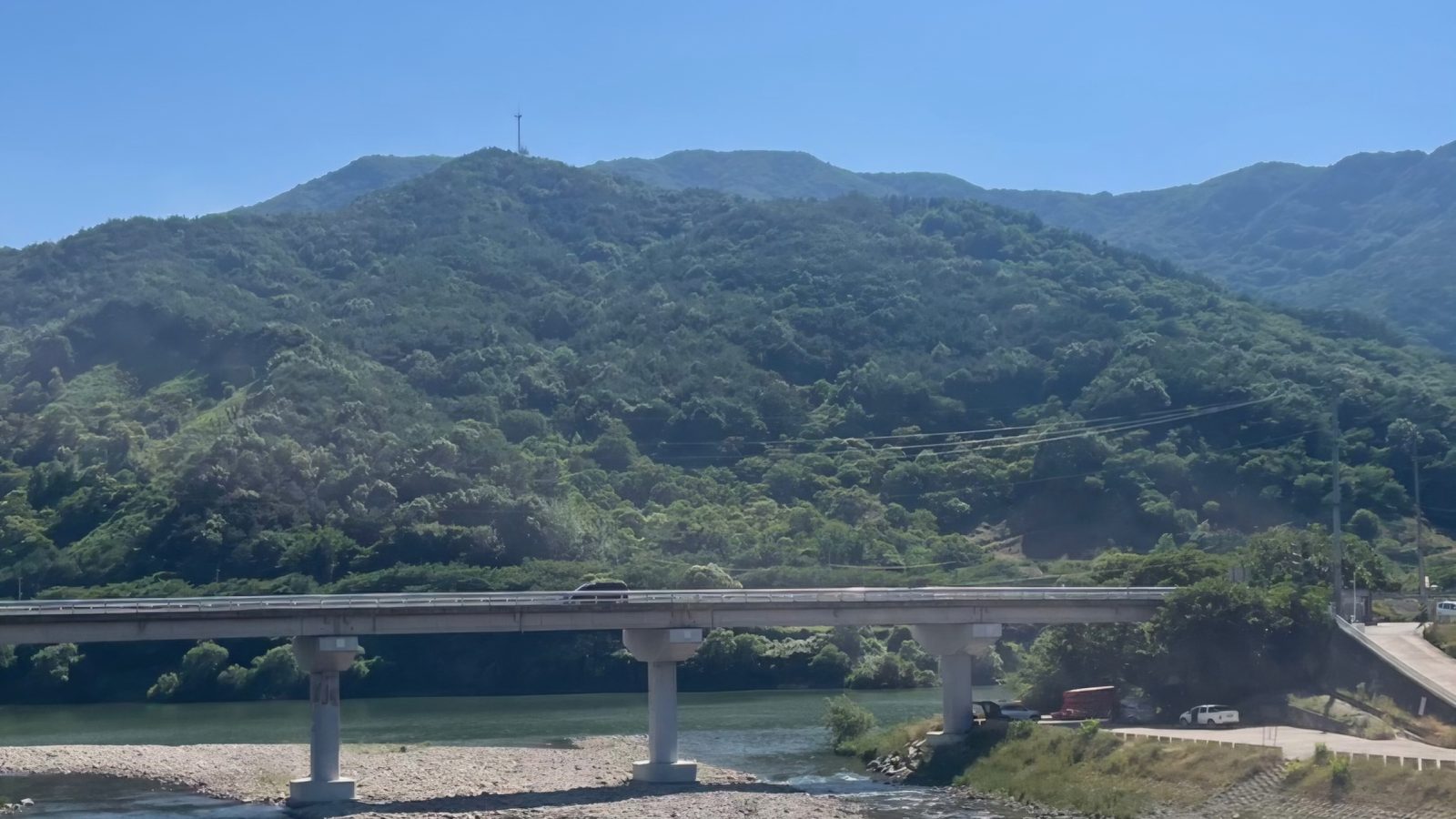
I went to Hadong two years ago, and it's stayed with me ever since. It sits in the southwest corner of Gyeongsang province, where the clear Seomjin River runs down between the great Jirisan mountains and the southern coast — and it's the kind of place Koreans go to slow right down. Tea fields on the hillsides, a cherry-blossom road that turns into a pink tunnel every spring, riverside villages, and an old market where two provinces meet.
It's one of those corners of Korea that doesn't try to impress you. There's no skyline, no famous single monument you queue up for, no buzzy nightlife. What Hadong has instead is atmosphere — the kind that creeps up on you. A morning mist hanging over the river. The smell of fresh tea leaves. Pink petals drifting onto the road in April. An old porch where someone pours you a cup and you suddenly have nowhere else you need to be. I came expecting a pretty spot and left with the feeling I'd glimpsed a slower, older Korea that's getting harder to find.
Here's my honest take up front: Hadong is bigger and more spread out than people expect — there's a lot to see along the river, and trying to do it all in a single day trip is a mistake. It's worth a slow overnight (or coming back more than once). And the single most important thing about Hadong is timing — get the season right and it's magic; get it wrong and you'll wonder what the fuss was about. Let me save you that mistake.
What Hadong actually is (and why timing matters so much)
"Hadong" on a map is a whole county, not a single town, and almost everything worth seeing strings out along the Seomjin River and up into the foothills of Jirisan — Korea's grand southern mountain. The cluster most visitors care about sits around Hwagae (화개), where the blossom road, the old market, the tea fields and Ssanggyesa Temple are all within reach of each other, plus the literary valley of Pyeongsari a little further along. Knowing that geography upfront helps: you're not "doing a town," you're wandering a river valley, and the distances are bigger than they look.
And then there's the timing, which I cannot stress enough. Hadong is a deeply seasonal place — three of its headline draws (the cherry blossoms, the new green of the tea fields, and the rare spring "cherry oyster") all peak in the same short spring window, roughly late March into April. Hit that window and everything the place is famous for happens at once. Miss it, and you'll find a pleasant but quiet country road, a market that can feel sleepy, and tea fields that are lovely but less vivid. The same itinerary can be a five-star trip or a shrug depending purely on the calendar. Plan the date first, then the rest.
The magic window is spring — roughly late March into April, when the cherry blossoms open, the tea fields wake up green, and the river's famous spring oysters are in season all at once. Autumn is lovely and quiet too. But spring is when everything Hadong is famous for happens together.
What to see along the Seomjin
The reason many people come. A roughly 4km road runs from Hwagaejangteo (the local market) up toward Ssanggyesa Temple, and in early April it becomes a tunnel of cherry blossoms following the stream. Koreans call it the "wedding road" — legend says couples who walk it hand in hand will stay together for life. It's genuinely beautiful, and genuinely crowded at peak bloom, so go early in the day.
A few honest logistics, because peak-bloom weekends here are no joke. The road follows a stream, so the petals fall onto the water as well as the path — it's as pretty as Korea gets, and everyone in the region knows it, which means traffic. If you're driving, expect the approach to crawl and parking to be a hassle at the busiest times; arriving early in the morning is the single best thing you can do. The walk itself is gentle and flat, and you can do as much or as little of the 4km as you like — even a short stretch gives you the tunnel effect. Outside blossom season it's quiet and green and perfectly nice for a stroll, but it isn't the spectacle, so don't make a special trip for it off-season.
Early April for full bloom (varies year to year — blossom timing shifts with the weather, so don't book non-refundable around an exact date). Go early in the day to beat the crowds and traffic. Off-season it's just a pleasant country road.
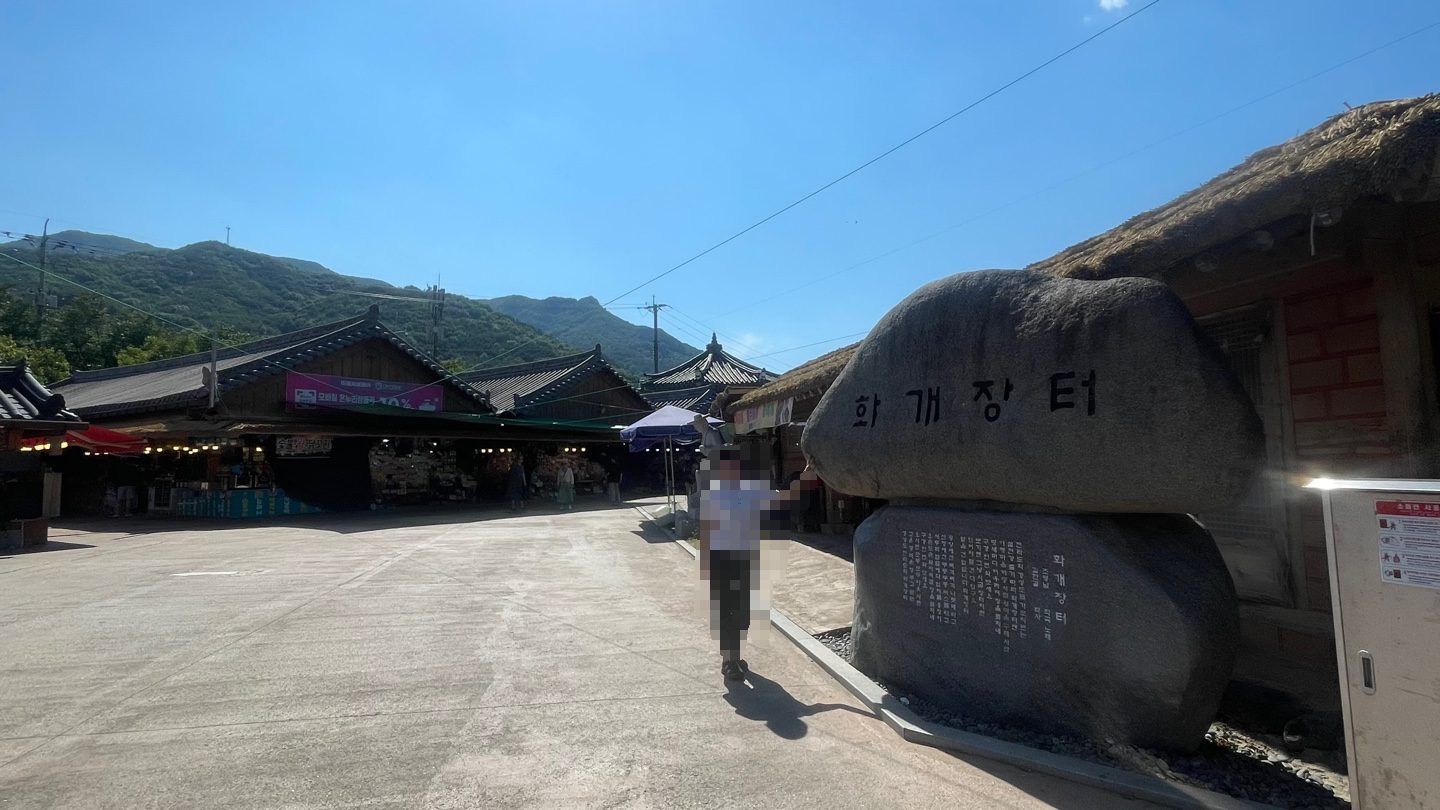
Hwagaejangteo is a famous old market that sits right where Gyeongsang and Jeolla provinces meet — historically the spot where people from both regions came to trade, and the subject of a well-loved Korean folk song. Its signature delicacy is beotgul (벚굴), a huge oyster from the Seomjin River estuary that's only in season for about a month in spring, right when the cherry blossoms bloom — that's literally what the name means.
It's worth understanding why the market matters culturally, because that's most of its charm. For centuries this was neutral ground where the two great regional cultures of southern Korea — Gyeongsang to the east, Jeolla to the west, with their own dialects, foods and even temperaments — met and mingled over goods. That folk song everyone knows keeps the place alive in the national memory. The beotgul itself is striking: these oysters are enormous, far bigger than the table oysters you know, and in season locals grill them or eat them raw right there. It's a genuinely local, genuinely seasonal thing — which is exactly why timing makes or breaks a visit here.
I'll be straight with you: I went outside the beotgul season, and the market felt a bit underwhelming — touristy, quiet, nothing special. Everyone tells me it's a totally different place during the cherry-oyster month, when the stalls fill up and that's the thing to eat. So if Hwagaejangteo is on your list, time it with the spring oyster season — otherwise you can comfortably skip it.
Hadong is said to be where tea cultivation in Korea began, more than a thousand years ago, on the slopes below Jirisan. The terraced wild-tea fields are gorgeous — rows of deep green curving along the hills — and there are tea houses where you can sit with a freshly brewed cup and just look at the valley. Late spring and early summer, when the new leaves come in, are the prettiest.
What makes Hadong tea different from the neat plantation rows you might picture is that a lot of it grows semi-wild, scattered among the trees on the hillsides rather than in tidy commercial blocks — it's a UNESCO-recognised farming heritage, and you can taste the difference if you're a tea person. The real pleasure here is slow: find a hillside tea house, order a pot of the local green tea, and sit looking out over the valley while it steeps. It's the most Hadong thing you can do, and it costs almost nothing. If you visit in May, you may catch the tea-picking, when the new leaves are harvested by hand and the fields are at their most vivid. Bring a little home; Hadong tea makes a lovely, very local souvenir.
Late April–May for vivid green fields and the new-leaf tea harvest. A hillside tea house is worth seeking out in any season.
Join Seoul Mate free and I'll send you "Where to Start" — the 10 K-dramas I recommend to every beginner — plus a weekly pick. No spam, leave anytime.
At the top of the cherry-blossom road, tucked into the forested foothills of Jirisan, sits Ssanggyesa — an ancient temple with old halls, mossy stone, and the sound of a mountain stream running through it. It pairs perfectly with the blossom walk: stroll up through the pink, arrive at the quiet temple, breathe. A lovely, grounding stop whatever the season.
Ssanggyesa is genuinely old — founded well over a thousand years ago — and it's tied to the history of both Korean tea and Korean Buddhist temple music, which gives it a quiet weight beyond the pretty setting. The walk in, over a stone bridge and up beside the stream, is half the experience; you can hear the water the whole way. I'd budget a relaxed hour or so to wander the halls and just sit. In autumn the surrounding foliage turns, so it's not only a spring stop. If you're feeling energetic, this is also a gateway into Jirisan's hiking trails — though that's a bigger commitment for a different kind of day.
A short ride or walk above Hwagae, at the top of the blossom road. Peaceful any time of year; especially good in spring blossom and autumn foliage. Wear comfortable shoes for the walk in.
Out in the Akyang valley, the Choi Champan House is a restored traditional estate set among the rice fields of Pyeongsari — the landscape that inspired Toji (The Land), one of the great epic novels of Korean literature. Wander the tile-roofed courtyards, then look out over the patchwork of paddies to the two famous pine trees standing alone in the fields. It's the slow, soulful, storybook side of rural Korea.
Toji is a genuine landmark of Korean writing — a sprawling, decades-spanning family saga by Park Kyung-ni — and Koreans of a certain generation feel real affection for this valley because of it, even if the estate itself is a set-like reconstruction rather than the original. You don't need to have read the novel to enjoy it; the appeal is the view. Standing in the courtyard and looking out over the Pyeongsari paddies to those two lone pine trees is one of those quietly perfect rural-Korea scenes. It's a little out of the way from the Hwagae cluster, so it suits people with a car or a relaxed pace, but it's a lovely, gentle final stop on a Hadong loop.
Beautiful year-round; the green paddies of early summer and the golden ones of autumn are especially photogenic. A car makes reaching it much easier than relying on buses.
If there's one thing that ties Hadong together, it's the river itself. The Seomjin is one of Korea's cleanest and most loved rivers, wide and slow with pale sandbanks, and the road that follows it is the real scenic route — windows down, mountains on one side, water on the other. Much of what makes Hadong special you see simply by travelling between the stops, so don't rush the in-between bits. There are quiet spots along the bank to pull over, and in spring the blossoms and the river run together for kilometres.
This is where a rental car really pays off — the river road is the experience, not just the way to the sights. Take it slow and stop when something catches your eye.
Best time to visit Hadong
I'll repeat it because it's the single most important thing: spring is king. The window from roughly late March into April brings the cherry blossoms, the waking-green tea fields and the beotgul oyster season together, and there's simply no substitute. If you can only come once and you want the full Hadong experience, build your trip around early April and accept that you'll share it with crowds.
That said, the other seasons each have a quieter case. Late April into May is when the tea fields hit their most vivid green and the new-leaf harvest happens — calmer than blossom peak, and gorgeous in its own right. Autumn brings golden paddies at Pyeongsari and turning foliage around Ssanggyesa, with far fewer people; if you value peace over the headline blossoms, autumn is lovely. Summer is green and lush but hot, humid and prone to rain, and winter is bare and very quiet — fine if you just want the river and a warm tea house to yourself, but you'll miss most of what Hadong is known for. My honest ranking: spring first, autumn second, the rest only if that's when you happen to be passing.
How many days do you need?
The mistake I see people make is treating Hadong as a half-day box to tick on the way somewhere else. It's bigger and slower than that. Here's how I'd plan it:
- One night / two days: my recommended minimum. It gives you an unhurried day for the Hwagae cluster (blossom road, market, Ssanggyesa, a tea house) and a second morning for Pyeongsari and the river before you move on.
- Two nights: the luxurious version — room to linger over tea, wait for the right light at Pyeongsari, drive the river slowly, and not feel you're racing the clock. This is the pace Hadong is built for.
- A day trip: only really works if you're already nearby (say staying in a southern city) and you accept you'll just sample one corner, most likely the Hwagae cluster. Doing the whole valley in a day from Seoul is not worth the travel.
Getting there & getting around
Hadong is in the southern countryside, so it takes a little effort to reach — that's part of why it stays unspoiled. You can come by intercity bus or train from Seoul (allow several hours), or fold it into a wider southern-Korea trip. Once you're there, the sights are spread along the river valley, so a rental car is by far the easiest way to get around; without one, plan on a mix of local buses and taxis and a slower pace.
Let me be honest about the carless option, because it's the question I get most. It's doable, but it asks for patience: rural buses run, but not often, and they won't whisk you neatly between every stop. If you're relying on public transport, base yourself near Hwagae so the blossom road, market, tea fields and Ssanggyesa are all in walking-or-short-bus reach, and treat further-flung spots like Pyeongsari as a taxi trip or a maybe. A car genuinely transforms Hadong — not just for convenience, but because the river road itself is one of the best things about the place. Whatever you do, download Naver Maps before you arrive; out here, Google Maps is close to useless for navigation, and Naver is what actually works for buses and directions in rural Korea.
If you're hopping between several places in the south of Korea — Hadong, Yeosu, Tongyeong, Busan — a rail pass keeps the train legs simple and cheap:
Affiliate link — if you book through it, KContentGuide may earn a small commission at no extra cost to you. We only point you to things we'd happily use ourselves.
What to eat in Hadong
Hadong's food is countryside food — seasonal, river-and-mountain, nothing fussy — and it's all the better for it. You won't need a list of restaurant names (and I'd rather not invent ones I can't vouch for); just look for what's local and in season:
- Beotgul (벚굴), the "cherry oyster" — the big spring Seomjin River oyster, grilled or raw, in season for only about a month around blossom time. If you're here in spring, this is the thing to eat.
- Jaecheop-guk (재첩국) — a clear, delicate soup made from the tiny freshwater clams of the Seomjin River, a true Hadong specialty. Light, clean, and quietly restorative — a perfect riverside lunch.
- Hadong green tea — not just to drink in a tea house but as a flavour: you'll find tea woven into local sweets, ice cream and dishes. Sitting with a proper brewed pot looking over the valley is a meal in itself.
- Mountain-vegetable (sanchae) fare — being at the foot of Jirisan, Hadong does wild-greens-and-rice country meals beautifully, especially in spring.
My steer: in spring, chase the beotgul; any time of year, have the jaecheop-guk by the river and a pot of green tea on a hillside. That's the taste of Hadong, and it lines up exactly with the landscape.
A sample two-day Hadong plan
Here's a relaxed overnight, ideally timed for spring, based around the Hwagae cluster. Loosely framed on purpose — check current opening details yourself, since I won't quote times I can't verify.
Day 1 — Hwagae and the blossom road. Arrive in the morning (early if it's peak bloom, to beat the traffic). Walk as much of the cherry-blossom road as you like, then carry on up to Ssanggyesa Temple at the top and let the mountain quiet settle in. Swing through Hwagaejangteo market — and if it's beotgul season, this is your oyster lunch. Spend the late afternoon at a hillside tea house, watching the valley over a pot of local green tea, and stay the night nearby.
Day 2 — river and rice fields. Take the riverside road slowly toward the Akyang valley and the Choi Champan House at Pyeongsari; stand in the courtyard and look out over the paddies to the lone pines. Have a clean bowl of jaecheop-guk by the water before you go. If you've got a second night, do less, not more — linger longer over the tea and the river, which is the whole spirit of the place.
Frequently asked questions
Is Hadong worth visiting outside cherry-blossom season? Yes, but with adjusted expectations. The headline spectacle is the spring blossoms-tea-oyster combination, and you'll miss that off-season. But the tea fields are vivid in May, autumn brings golden paddies and turning foliage with far fewer crowds, and the river and tea houses are lovely year-round. Just don't come in, say, midwinter expecting the postcard.
Can I do Hadong without a car? You can, if you base near Hwagae and keep your plans loose — the blossom road, market, tea fields and Ssanggyesa are clustered there. But rural buses are infrequent and won't link everything neatly, so a car (or accepting some taxi rides and a slower pace) makes a real difference, and the river drive is half the joy.
How does Hadong fit with other southern destinations? It slots naturally into a southern-Korea loop with Yeosu, Tongyeong, Suncheon or Busan. Many people combine it with one or two of those rather than visiting Hadong alone, since you're already heading into the same corner of the country.
Hadong's spring revolves around its festivals — a cherry-blossom festival around the Hwagae blossom season, and a wild green-tea festival in May. Exact dates shift each year, so check the official Hadong tourism and festival pages before you lock in travel. Subscribe below and I'll flag the best Korean festivals as their seasons come around.
So — is Hadong worth it?
If you want the famous-postcard Korea, go to Seoul and Busan. But if you want the Korea that Koreans themselves drive hours to reach — a slow river, blossoms on the wind, tea on a quiet porch, a literary valley of rice fields — Hadong is one of the loveliest places I know. Just go in spring, give it more than a day, and you'll see exactly what I mean.
Planning the bigger trip? See my guide to Korea's best small cities, the nearby Busan travel guide and Namwon & Gwanghallu (Korea's great love-story garden), and don't forget to download Naver Maps — it's the only map app that works properly in rural Korea.