When the Joseon dynasty ruled Korea for five centuries from Seoul, it built and rebuilt a cluster of royal palaces across the heart of the city. Five of them survive today as the "Five Grand Palaces" (오대궁, odaegung) — and the wonderful thing for visitors is that they're all packed into a small, very walkable patch of downtown Seoul, mostly within a stroll or one short subway hop of each other.
Each palace has its own character: one is grand and ceremonial, one is a UNESCO garden, one is quiet and green, one mixes East and West and opens at night, and one is the forgotten fifth that almost disappeared. You don't need to see all five — but knowing what each is for makes it easy to pick the right one (or two) for your day. Here's the complete guide.
I should say up front: most visitors I talk to assume "five palaces" means five separate, time-consuming trips across the city. It really doesn't. Four of the five sit within an easy walk of each other in the same old-Seoul district, and even the fifth is just a short hop away. You could, in theory, see three of them in a single relaxed day without ever feeling rushed — and I'll show you exactly how. The trick is choosing well rather than trying to do everything, because palace fatigue is a real thing and the courtyards do start to blur together if you grind through all five back-to-back.
A bit of history — why there are five
The short version: the Joseon kings didn't build five palaces because they were extravagant. They built them over centuries, for different reasons, and history kept forcing their hand. Gyeongbokgung came first, in the 1390s, as the main royal seat of the new dynasty. Changdeokgung and Changgyeonggung followed as secondary palaces — the kings needed somewhere to retreat to, somewhere for dowager queens to live, somewhere to decamp when the main palace was crowded or unlucky.
Then disaster struck. During the Japanese invasions of the 1590s (the Imjin War), the palaces burned. Gyeongbokgung was left in ruins for nearly 270 years, so for most of the later Joseon period it was actually Changdeokgung that served as the main working palace. Deoksugung rose to prominence much later, at the turn of the 20th century, when Emperor Gojong made it the seat of the short-lived Korean Empire and filled it with Western architecture. And Gyeonghuigung, once a vast "West Palace," was almost entirely demolished under colonial rule in the early 20th century and only partly rebuilt — which is why it's the "forgotten fifth" today.
So the five palaces aren't a tidy matching set; they're the survivors of five centuries of dynasty, war, fire, modernisation and colonial destruction. Much of what you walk through is the result of patient, ongoing restoration. Knowing that, I think, makes the whole palace day richer — you're not ticking off identical buildings, you're reading the chapters of a single long, dramatic story scattered across one city centre.
If you plan to see more than two, buy the Integrated Palace Ticket (통합관람권, around ₩10,000). It covers four of the five palaces — Gyeongbokgung, Changdeokgung (including the Secret Garden), Changgyeonggung and Deoksugung — plus Jongmyo Shrine, and works out far cheaper than paying separately. Even better: wear hanbok and you get into the palaces free, ticket or not. Prices and inclusions can change, so confirm on the official site before you go.
The five palaces at a glance
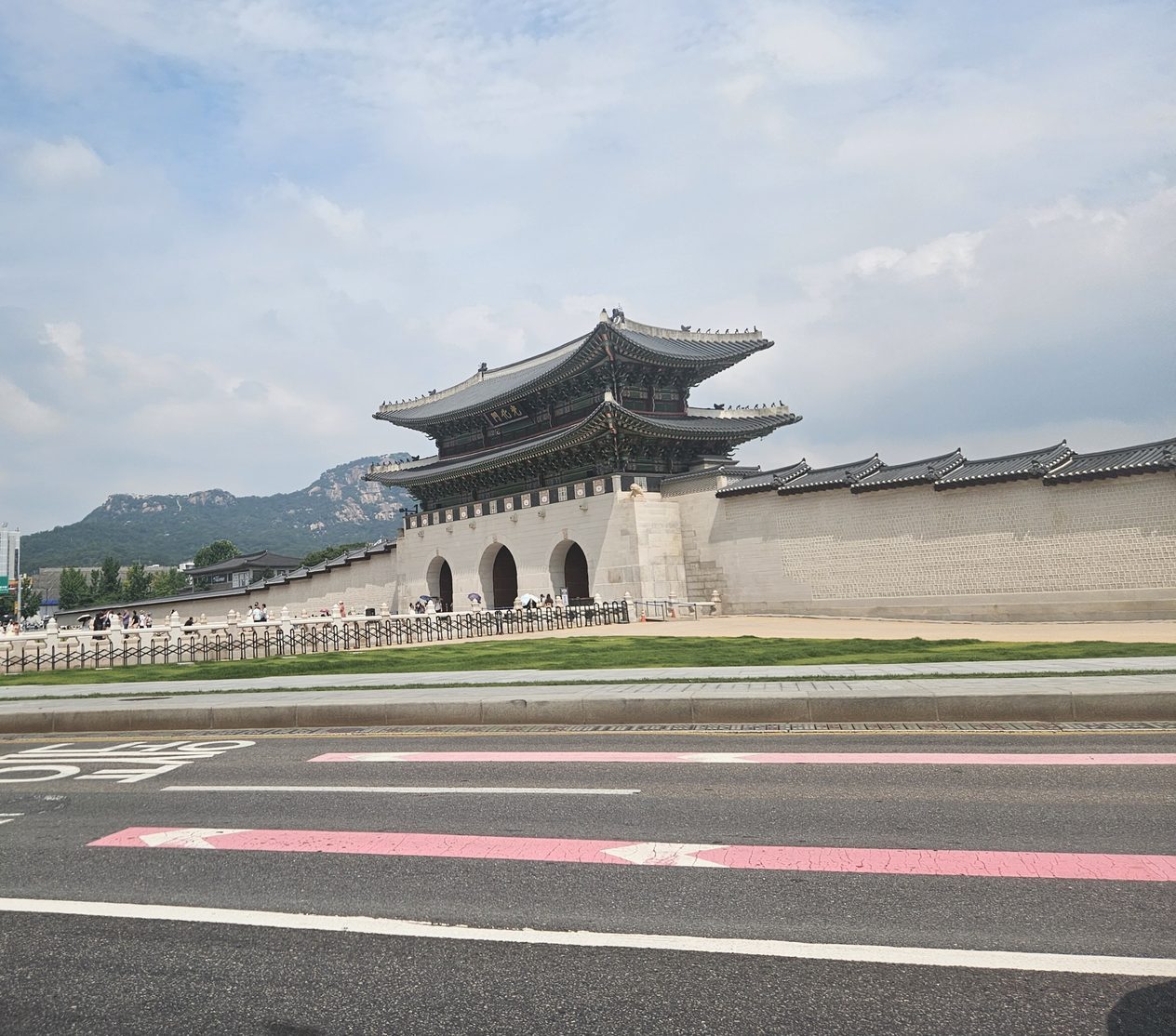
Here they are in the order most visitors tackle them — grandest first, quietest last. Tap through to the full guide for any that catch your eye.
Which palace should you pick?
Most visitors don't have time for all five, and you really don't need to. Here's the quick way to choose:
- Only have time for one? → Gyeongbokgung. It's the grandest, the most iconic, and has the big guard-changing ceremony.
- Love gardens and greenery? → Changdeokgung for the UNESCO Secret Garden, or Changgyeonggung for the pond, greenhouse and blossoms. They're next-door neighbours, so do both.
- Want something different — or an evening? → Deoksugung, with its East-meets-West stone halls and after-dark opening.
- Want quiet, history and no crowds (and no cost)? → Gyeonghuigung, the free, forgotten fifth.
A great low-stress plan: start at Gyeongbokgung in the morning (catch the guard-changing ceremony), wander out the back into Bukchon Hanok Village and Samcheong-dong for lunch, then walk over to Changdeokgung and stroll straight through into Changgyeonggung in the afternoon. Three palaces, one neighbourhood, barely any travel.
When to visit
Any season works, but each has a personality. Autumn (roughly late October into November) is my favourite for a palace day — the foliage at Changdeokgung's Secret Garden and around Gyeongbokgung's ponds is spectacular, and the air is crisp. Spring is the other star, with blossom everywhere and Changgyeonggung's cherry trees putting on a show. Summer is green and lush but genuinely hot and humid, with little shade in the big open courtyards, so bring water and a hat. Winter is cold and quiet, but a dusting of snow on the tiled roofs is magical and the crowds vanish.
For time of day, come early — mornings are calmest before the tour groups arrive, and the light is lovely. Weekend middays are the busiest, especially at Gyeongbokgung, so if photos matter, dodge that window. And remember Deoksugung is the one you can do in the evening, which is a great way to end a palace day after the others have closed.
How to get there
This is the genuinely easy part. Every palace has a subway stop more or less at its gate: Gyeongbokgung Station (Line 3) for Gyeongbokgung, Anguk Station (Line 3) for Changdeokgung and Changgyeonggung, City Hall Station (Lines 1 & 2) for Deoksugung, and the Gwanghwamun/Seodaemun area for Gyeonghuigung. Four of the five are clustered close enough that once you're in the area you can simply walk between them. Use Naver Maps to route yourself rather than Google Maps, which doesn't give reliable transit directions inside Korea — our Seoul subway guide covers the basics if you're new to the system. The subway is cheap, fast and very tourist-friendly, so you really don't need taxis for a palace day.
How long you need
Per palace, budget roughly: 1.5–2 hours for Gyeongbokgung (it's the biggest); 2–2.5 hours for Changdeokgung if you include the hour-long Secret Garden tour; about 1–1.5 hours each for Changgyeonggung, Deoksugung and Gyeonghuigung, which are smaller. Two palaces make a comfortable half-day; three is a full but very doable day if they're neighbours (see the perfect-palace-day plan above). My honest advice is not to attempt all five in one go — by the fourth, the courtyards blur and your feet hurt. Pick the two or three that match what you actually care about (grandeur, gardens, history, quiet) and give those your full attention.
Know before you go
A few things that apply across all the palaces:
- Closed days differ. Gyeongbokgung is closed Tuesdays; the other four are closed Mondays. So there's no single day when everything shuts — plan around whichever you're visiting, and double-check on the official site.
- Hanbok = free entry. Rent a hanbok (widely available near Gyeongbokgung) and you walk into the palaces free — plus you get lovely photos. It's the single best palace-day tip.
- The integrated ticket saves money. Around ₩10,000 for four palaces plus Jongmyo Shrine, valid for three months — worth it if you'll see three or more.
- Guard-changing ceremonies run several times a day at Gyeongbokgung and Deoksugung — colourful, free and worth timing your visit around.
- Go early or late to dodge the midday crowds and tour groups, especially at Gyeongbokgung.
Round off the history with the National Museum of Korea — Korea's flagship museum, also free, and the perfect companion to a palace day.
Frequently asked questions
Do I need to see all five palaces? No — and I'd actively talk you out of it for a single trip. Most visitors see two or three and feel they've had the full experience. Pick by what you care about: Gyeongbokgung for grandeur and the guard ceremony, Changdeokgung (with Changgyeonggung next door) for gardens, Deoksugung for something different and an evening visit, Gyeonghuigung for quiet and zero crowds. Quality over quantity beats palace fatigue every time.
Is the Integrated Palace Ticket worth it? If you're seeing three or more, yes. For around ₩10,000 it covers four of the five palaces (including Changdeokgung's Secret Garden) plus Jongmyo Shrine, and it's valid for a few months, so you don't have to use it all in one day. If you're only seeing one or two, paying separately is fine — and if you're wearing hanbok, palace entry is free anyway, so the ticket matters less. Prices and inclusions change, so confirm before you buy.
Which palaces are closed on which days? Gyeongbokgung is closed Tuesdays; the other four are closed Mondays. That's genuinely useful — it means there's no single day when every palace is shut, so whatever day you have free, something will be open. Just double-check current hours, which shift a little with the season.
Affiliate link — if you book through it, KContentGuide may earn a small commission at no extra cost to you. We only point you to things we'd happily use ourselves.
Five palaces, one compact city centre, centuries of royal history — and most of it walkable in a day or two. However many you see, you're walking the same courtyards Joseon kings did. There's much more of Seoul still to come in our Seoul series. Subscribe below and you won't miss it.
Getting around? See our Seoul subway guide and Naver Maps guide, and read up on what Hallyu is before you go.